

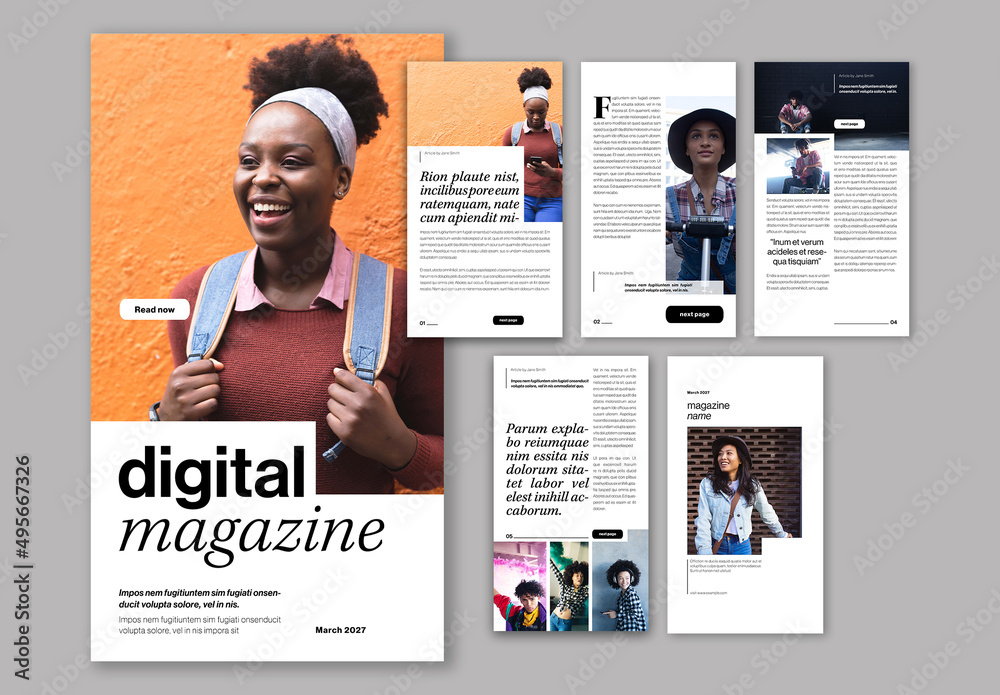


In the past two decades, the publishing industry has experienced a dramatic transformation. Traditional print magazines, once the dominant source of information and entertainment, are increasingly giving way to digital magazine. With the growth of the internet, smartphones, and tablets, digital publishing has become a powerful platform for sharing stories, news, and ideas with audiences around the world. Today, digital magazines are not only convenient but also innovative, interactive, and accessible to millions of readers globally.
The Evolution of Magazines
Magazines have long been a significant part of media culture. For many years, readers relied on printed magazines for news, fashion updates, lifestyle advice, entertainment, and in-depth features. However, the rise of the internet in the late 1990s and early 2000s began to reshape how people consume content.
As technology advanced, publishers realized that readers wanted instant access to information. Waiting for a monthly or weekly print issue was no longer practical for a generation used to real-time updates. This shift led to the creation of digital magazines, which can be accessed online through websites, mobile apps, or downloadable formats.
Digital magazines offer the same quality content as traditional publications but with added features such as videos, interactive graphics, and hyperlinks. These enhancements create a more engaging reading experience that print simply cannot match.
Accessibility and Global Reach
One of the greatest advantages of digital magazines is accessibility. Unlike printed magazines that must be distributed physically, digital magazines can reach readers anywhere in the world with just a few clicks. A reader in Pakistan, for example, can instantly access a magazine published in the United States or Europe.
This global reach has opened new opportunities for publishers and writers. Independent journalists, bloggers, and content creators can now launch their own digital magazines without the high costs associated with printing and distribution. As a result, the publishing industry has become more diverse and inclusive.
Digital magazines are also accessible across multiple devices. Readers can enjoy articles on smartphones, tablets, laptops, or desktop computers. Many platforms even allow offline reading, enabling users to download issues and read them later without an internet connection.
Cost-Effective Publishing
Traditional print publishing involves significant expenses, including paper, printing, shipping, and storage. These costs can make it difficult for smaller publishers to compete with large media companies.
Digital magazines eliminate many of these expenses. Without the need for physical production, publishers can focus more resources on creating high-quality content and improving the reader experience. Additionally, digital platforms allow publishers to track reader engagement, helping them understand what content resonates most with their audience.
Advertising is another area where digital magazines have an advantage. Online ads can be targeted based on reader interests, location, and browsing behavior. This makes advertising more effective and valuable for both advertisers and publishers.
Interactive and Engaging Content
Digital magazines have transformed the way stories are told. Unlike traditional print formats, digital platforms support multimedia content that enhances storytelling. Articles can include videos, audio clips, photo galleries, and interactive charts that provide readers with a richer experience.
For example, a travel magazine might feature a virtual tour of a destination, while a sports magazine could include highlight videos from recent games. These interactive elements make digital magazines more engaging and immersive than their print counterparts.
Social media integration is another important feature. Readers can easily share articles with friends and followers on platforms like Facebook, Twitter, and Instagram. This sharing capability helps digital magazines reach new audiences and increase their visibility online.
Environmental Benefits
Another key advantage of digital magazines is their positive impact on the environment. Traditional magazine production requires large amounts of paper, ink, and transportation fuel. This process contributes to deforestation and carbon emissions.
Digital publishing significantly reduces these environmental impacts. By eliminating paper and printing processes, digital magazines offer a more sustainable alternative. As environmental awareness grows among consumers, many readers prefer digital formats that reduce waste and support eco-friendly practices.
Challenges Facing Digital Magazines
Despite their many advantages, digital magazines also face several challenges. One of the biggest issues is competition. The internet is filled with blogs, news websites, and social media platforms that constantly produce new content. Standing out in such a crowded space can be difficult.
Another challenge is monetization. While advertising and subscriptions generate revenue, many readers expect online content to be free. Publishers must find a balance between providing valuable content and generating enough income to sustain their operations.
Additionally, maintaining reader attention in the digital age can be challenging. With countless notifications, social media updates, and online distractions, readers may struggle to focus on long-form articles. Digital magazines must create compelling content and attractive designs to keep audiences engaged.
The Future of Digital Publishing
The future of digital magazines looks promising. As technology continues to evolve, new opportunities for innovation will emerge. Artificial intelligence, augmented reality, and personalized content recommendations are likely to play an increasingly important role in digital publishing.
For example, AI-driven platforms can analyze reader preferences and suggest articles tailored to individual interests. Augmented reality features may allow readers to interact with magazine content in entirely new ways, such as viewing 3D models or immersive visual experiences.
Subscription-based platforms are also gaining popularity. Services that offer access to multiple digital magazines through a single membership are becoming more common, providing readers with convenience and variety.
Conclusion
Digital magazines represent the future of publishing. They offer accessibility, interactivity, cost efficiency, and environmental benefits that traditional print magazines cannot easily match. While challenges remain, the digital format continues to evolve and adapt to the changing needs of readers.
As technology advances and internet access expands worldwide, digital magazines will likely become even more influential in shaping how people consume information and entertainment. For writers, publishers, and readers alike, the digital magazine revolution offers exciting possibilities and a new era of storytelling.