



What Personal Style Really Means
Personal style is more than simply choosing clothes that look attractive. It is a form of self-expression that communicates who you are without the need for words. The outfits you wear, the colors you choose, and even the accessories you prefer all contribute to telling your story. In many ways, clothing functions like a visual language. It reflects your personality, lifestyle, and even your mood on a given day.
Fashion experts often emphasize that true personal style does not come from blindly following trends. Instead, it develops from understanding your own identity and translating that into clothing choices. According to fashion experts quoted in recent style discussions, authentic style is about dressing in a way that feels genuine and comfortable rather than trying to replicate viral trends on social media.
Why Personal Style Matters in Everyday Life
Many people underestimate the impact personal style has on confidence and self-perception. The clothes you wear can influence the way you feel about yourself and how others perceive you. Research on clothing style confidence suggests that individuals who feel confident in their personal style are more likely to express themselves authentically and feel satisfied with their appearance.
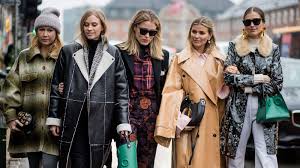
Imagine walking into an important meeting wearing an outfit that makes you feel powerful and comfortable. Your posture changes, your voice becomes steadier, and you interact with others more confidently. Now compare that with wearing something that feels awkward or uncomfortable. The difference is remarkable.
Personal style also helps people stand out in professional and social environments. In a world where first impressions often happen within seconds, clothing becomes an important tool of communication. Whether you prefer minimalist outfits, bold colors, or vintage-inspired looks, the key is consistency. When your style reflects your personality, people remember you more easily and connect with you more authentically.
Building the Foundation of Your Personal Style
Know Yourself Before Your Clothes
One of the biggest mistakes people make when developing personal style is starting with clothes rather than self-awareness. Before building a wardrobe, it helps to understand your personality, lifestyle, and preferences. Are you someone who enjoys simplicity and clean lines, or do you prefer bold and artistic outfits? Do you spend most of your time in professional settings, casual environments, or creative spaces?
Your answers to these questions shape your style foundation. For example, someone who works in a corporate environment might build a wardrobe focused on structured blazers and tailored trousers. Meanwhile, a creative professional might incorporate more colors, patterns, and experimental designs.
Understanding your body type also plays an important role in defining st-yle. Clothing that fits well can dramatically improve how polished an outfit appears. Many experts emphasize that proper fit matters more than brand labels or price tags. Even an affordable garment can look sophisticated if it fits your body correctly.
Self-awareness allows you to make smarter choices while shopping. Instead of purchasing random items that rarely get worn, you start building a wardrobe that actually represents who you are.
Identify Your Lifestyle Needs
Personal style must align with your daily routine. A wardrobe filled with glamorous evening outfits will not be practical if you spend most of your time in offices, classrooms, or casual environments. The goal is to create clothing combinations that support your lifestyle rather than complicate it.
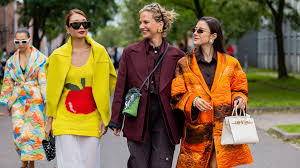
Start by analyzing your weekly activities. Think about work, social gatherings, travel, and relaxation. Each activity requires slightly different clothing choices. When you organize your wardrobe around your lifestyle, dressing becomes faster and less stressful.
For example, someone with an active lifestyle may prioritize comfortable fabrics, breathable materials, and versatile footwear. A professional working in a formal office might focus on tailored suits, elegant dresses, and structured coats. By matching your wardrobe with your real life, you eliminate unnecessary clutter and make styling decisions easier.
Practical Personal Style Tips
Start With Your Existing Wardrobe
Before buying new clothes, take a closer look at what you already own. Most people are surprised to discover hidden style potential in their current wardrobes. Instead of rushing to the mall, start by sorting through your clothes and identifying pieces you love wearing.
Ask yourself simple questions: Which outfits make you feel confident? Which colors appear frequently in your wardrobe? Which items do you wear repeatedly? These answers reveal patterns that help define your personal style.
You may notice that you prefer neutral colors, classic silhouettes, or comfortable fabrics. Those preferences form the core of your st-yle identity. Once you identify them, you can start building outfits that highlight these strengths.
Decluttering your wardrobe also helps remove items that no longer fit your personality or lifestyle. A cleaner wardrobe means fewer distractions and more clarity when putting together outfits.
Focus on Proper Fit and Comfort
Fit is one of the most overlooked elements of style. Many people believe that stylish clothing must be expensive or designer-made. In reality, fit matters far more than price.
When clothing fits properly, it enhances your body shape and creates a polished appearance. On the other hand, ill-fitting clothes can make even expensive garments look sloppy. Tailoring can transform a basic outfit into something that feels custom-made.
Comfort is equally important. If you constantly adjust your clothes or feel restricted while moving, it becomes difficult to feel confident. Personal style should support your lifestyle rather than restrict it.
Learn the Power of Colors
Color plays a powerful role in fashion. It influences mood, perception, and even energy levels. Certain colors highlight your natural features, while others may wash them out.
Learning which colors suit your skin tone can dramatically improve your style. For example, warm skin tones often look great in earthy shades like olive green, mustard yellow, and warm browns. Cooler tones may shine in blues, purples, and jewel tones.
Neutral colors such as black, white, beige, and navy provide flexibility in mixing and matching outfits. These tones form the foundation of many wardrobes because they work well together and allow statement pieces to stand out.
Choose Quality Over Quantity
Modern fashion encourages constant consumption. New trends appear every week, tempting shoppers to buy more clothes than they actually need. However, developing personal style often requires the opposite approach.
Investing in fewer but higher-quality pieces creates a wardrobe that lasts longer and looks better over time. High-quality garments usually feature better fabrics, stronger stitching, and timeless designs.
Instead of buying ten trendy shirts, consider purchasing two well-made ones that fit perfectly and complement multiple outfits. Over time, this strategy builds a wardrobe filled with reliable and stylish essentials.
Developing Your Fashion Identity
Find Inspiration Without Copying
Inspiration is helpful when discovering personal style, but copying someone else’s look rarely creates authenticity. Fashion magazines, social media platforms, and celebrities can provide ideas, yet the goal should always be adaptation rather than imitation.
You might admire a celebrity’s minimalist wardrobe or a fashion influencer’s bold layering techniques. Instead of copying their entire outfit, focus on individual elements that resonate with you. Maybe it’s the color palette, the silhouette, or the way accessories are styled.
Creating inspiration boards or saving outfit ideas online can help visualize your preferences. Over time, patterns emerge that guide your style direction.
Experiment With Different Looks
Developing personal style requires experimentation. Think of it as a creative journey rather than a final destination. Trying new combinations, textures, and accessories helps refine your fashion identity.
Some experiments will work beautifully, while others may feel awkward. That is part of the process. Every unsuccessful outfit teaches you something valuable about your preferences.
Style evolves through trial and error. Allow yourself the freedom to explore without worrying about perfection.
Build a Signature Style Element
Many stylish individuals share one defining element that makes their outfits recognizable. This signature element might be a particular accessory, color palette, or clothing style.
For example, some people are known for wearing bold statement glasses, while others consistently wear monochrome outfits. A signature element adds consistency and personality to your wardrobe.
The key is subtle repetition rather than strict uniformity. By including a recognizable element in different outfits, you create a cohesive personal brand.
Timeless staples allow you to create multiple outfits without constantly buying new clothes.
Avoid Chasing Every Trend
Fashion trends can be exciting, but they are often short-lived. Social media platforms frequently introduce new micro-trends that disappear within months.
Following every trend can lead to an overcrowded wardrobe and unnecessary spending. Instead, choose trends that genuinely align with your personal style.
When trends complement your existing wardrobe, they feel natural rather than forced.
Styling Techniques That Elevate Your Look
Master the Art of Layering
Layering is one of the easiest ways to make outfits look more sophisticated. By combining different textures, lengths, and fabrics, you add depth and dimension to your look.
For example, pairing a lightweight jacket with a simple T-shirt and jeans instantly creates a more polished appearance. Scarves, sweaters, and coats can also enhance layering effects.
Accessorize With Purpose
Accessories provide the finishing touch to any outfit. Watches, belts, jewelry, hats, and bags all contribute to the overall aesthetic.
The secret is balance. Too many accessories can overwhelm an outfit, while the right combination can elevate even the simplest clothing.
Maintain Grooming and Presentation
Personal style is not limited to clothing. Grooming, posture, and overall presentation play equally important roles.
Clean shoes, well-maintained hair, and neat clothing demonstrate attention to detail. These small habits significantly influence how others perceive your style.
Personal Style in the Digital Age
Social Media Influence on Fashion Choices
The digital era has dramatically changed how people approach fashion. Platforms like Instagram, Pinterest, and TikTok expose users to countless outfit ideas every day.
While these platforms provide inspiration, they also create pressure to constantly update wardrobes. New aesthetic trends appear frequently, encouraging rapid consumption.
Developing personal style in this environment requires mindfulness. Instead of chasing every viral trend, focus on pieces that align with your identity and lifestyle.
Authentic style stands the test of time, while trends fade quickly.
Conclusion
Personal style is not about wearing the most expensive clothes or following every trend. It is about understanding yourself and translating that understanding into the way you dress. When your wardrobe reflects your personality, lifestyle, and preferences, getting dressed becomes an enjoyable and empowering experience.
Building personal style takes patience, experimentation, and confidence. By focusing on fit, color, quality, and authenticity, anyone can create a wardrobe that feels both stylish and comfortable. The most important rule is simple: wear what makes you feel like the best version of yourself.
FAQs
1. What is the first step to developing personal style?
The first step is self-awareness. Understanding your personality, lifestyle, and preferences helps you choose clothing that reflects who you truly are.
2. Can personal style change over time?
Yes. Personal style evolves as your life experiences, career, and interests change.
3. Do I need expensive clothes to look stylish?
No. Fit, confidence, and smart styling matter far more than price tags.
4. How can I discover which colors suit me best?
Experiment with different shades and observe which colors highlight your natural features and complexion.
5. How often should I update my wardrobe?
Instead of frequent shopping, focus on gradually adding quality pieces that complement your existing style.