



What is cultural diversity?
Definition and Core Concepts
Cultural diversity is one of those ideas that sounds simple at first but becomes richer the more you think about it. At its core, it refers to the presence of different cultures within a society, organization, or community. These differences can include language, religion, traditions, customs, values, and even ways of thinking. Imagine walking through a bustling market where each stall represents a unique culture, with different foods, clothing styles, music, and traditions blending together into a vibrant mosaic. That’s cultural diversity in action.
In today’s interconnected world, cultural diversity is no longer optional—it’s the norm. According to recent data, around 304 million people live outside their country of birth, creating increasingly multicultural societies. This movement of people has transformed communities into melting pots of ideas and traditions.
Key Elements of Cultural Diversity
Cultural diversity isn’t just about where people come from—it’s about what they bring with them. It includes visible elements like clothing and cuisine, as well as invisible aspects like beliefs, values, and communication styles. Think of it like an iceberg: what you see on the surface is only a small part of the whole picture.
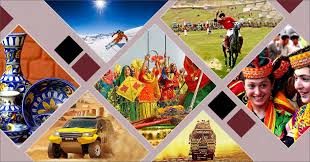
Some key elements of cultural diversity include language, religion, ethnicity, traditions, and social norms. These elements shape how people celebrate festivals, interact with others, and even make decisions. For example, communication styles can vary widely—some cultures value directness, while others prefer subtlety and indirect expression. These differences can sometimes lead to misunderstandings, but they also open the door to deeper learning.
Globally, there are more than 5,000 distinct indigenous cultures, each with its own traditions and heritage. This diversity highlights the richness of human civilization. Every culture contributes something unique, whether it’s art, music, philosophy, or technology. When we embrace these contributions, we create a more inclusive and dynamic world.
Understanding these elements is the first step toward appreciating cultural diversity. It’s not just about tolerance—it’s about genuine respect and curiosity. When we take the time to learn about different cultures, we begin to see the world through a wider lens, and that perspective is incredibly valuable.
Key Statistics and Facts
Numbers can tell powerful stories, and cultural diversity is no exception. Here’s a quick look at some eye-opening statistics:
Aspect Statistic
Indigenous populations: 476 million people worldwide
Distinct cultures: over 5,000 globally
The creative economy 3% of global GDP
Cultural tourism 40% of European tourism
These figures highlight the scale and importance of cultural diversity. For example, the creative economy—driven by cultural industries like music, art, and film—accounts for a significant portion of global economic activity. This shows that cultural diversity isn’t just socially important; it’s economically valuable too.
Another striking fact is that 89% of the world’s population lacks legal protection for their traditional cultural expressions. This raises important questions about preservation and respect. How can we protect cultural heritage while embracing globalization? It’s a challenge that societies around the world are still trying to address.
Importance of Cultural Diversity
Promotes Peace and Harmony
Cultural diversity plays a crucial role in promoting peace. When people from different backgrounds interact and understand each other, it reduces stereotypes and prejudice. Think about it—fear often comes from the unknown. The more we learn about others, the less intimidating those differences become.
Organizations like the United Nations emphasize that cultural diversity is essential for peaceful coexistence and sustainable development. By encouraging dialogue and collaboration, diverse societies can resolve conflicts more effectively.
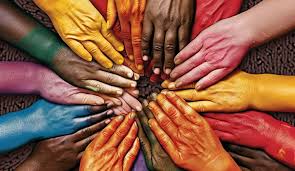
In fact, many conflicts around the world have cultural dimensions. By promoting understanding and respect, cultural diversity can act as a bridge rather than a barrier. It encourages empathy, which is one of the most powerful tools for building peaceful communities.
Benefits of Cultural Diversity
Boosts Creativity and Innovation
Ever noticed how the best ideas often come from unexpected places? That’s exactly what cultural diversity does—it brings together different perspectives that spark creativity. When people with diverse backgrounds collaborate, they approach problems in unique ways.
Research shows that companies with high diversity are 39% more likely to outperform their competitors. Why? Because diversity encourages fresh thinking. It challenges conventional ideas and opens the door to innovation.
Imagine a team where everyone thinks the same way. Sounds efficient, right? Now imagine a team with different cultural perspectives—suddenly, you have a variety of ideas, solutions, and approaches. That’s the power of diversity.
Improves Communication
Communication is more than just words—it’s about understanding. Cultural diversity helps people develop better communication skills by exposing them to different styles and perspectives. It teaches empathy, patience, and active listening.
When people interact with different cultures, they become more adaptable. They learn how to navigate misunderstandings and build stronger relationships. These skills are invaluable in today’s globalized world.
Conclusion
Cultural diversity is not just a concept—it’s a living, breathing reality that shapes our world every day. It influences how we think, communicate, and connect with others. From boosting creativity to promoting peace, its impact is profound and far-reaching.
As the world becomes more interconnected, the importance of cultural diversity will only continue to grow. Embracing it isn’t just beneficial—it’s essential. It allows us to learn from one another, build stronger communities, and create a more inclusive future.
FAQs
1. What is cultural diversity in simple words?
Cultural diversity means having different cultures, traditions, languages, and beliefs within a group or society.
2. Why is cultural diversity important?
It promotes understanding, reduces conflict, and encourages innovation and creativity.
3. What are examples of cultural diversity?
Different languages, religions, food traditions, clothing styles, and festivals are examples.
4. How does cultural diversity benefit workplaces?
It improves creativity, decision-making, and overall business performance.
5. What are the challenges of cultural diversity?
Common challenges include language barriers, misunderstandings, and adapting to different cultural norms.